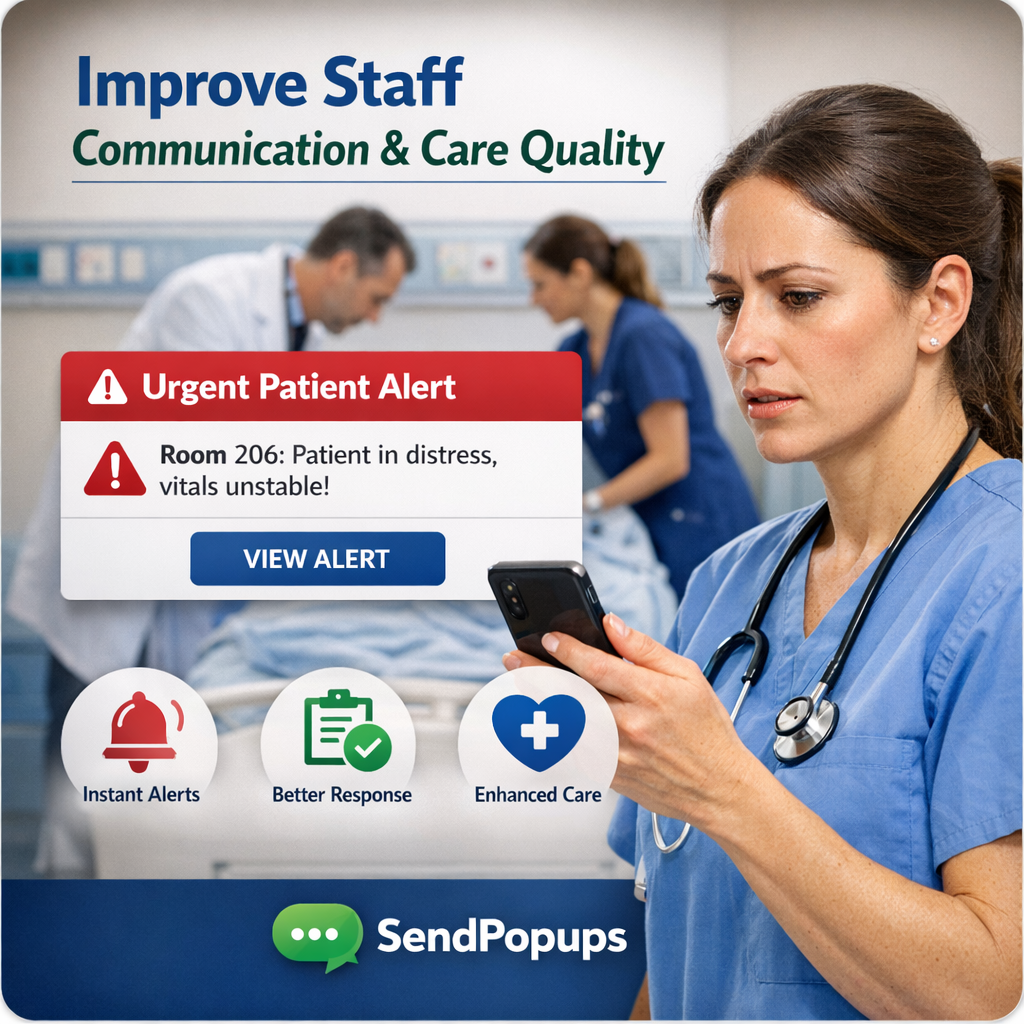
Why Effective Employee Alerting Transforms Healthcare Operations
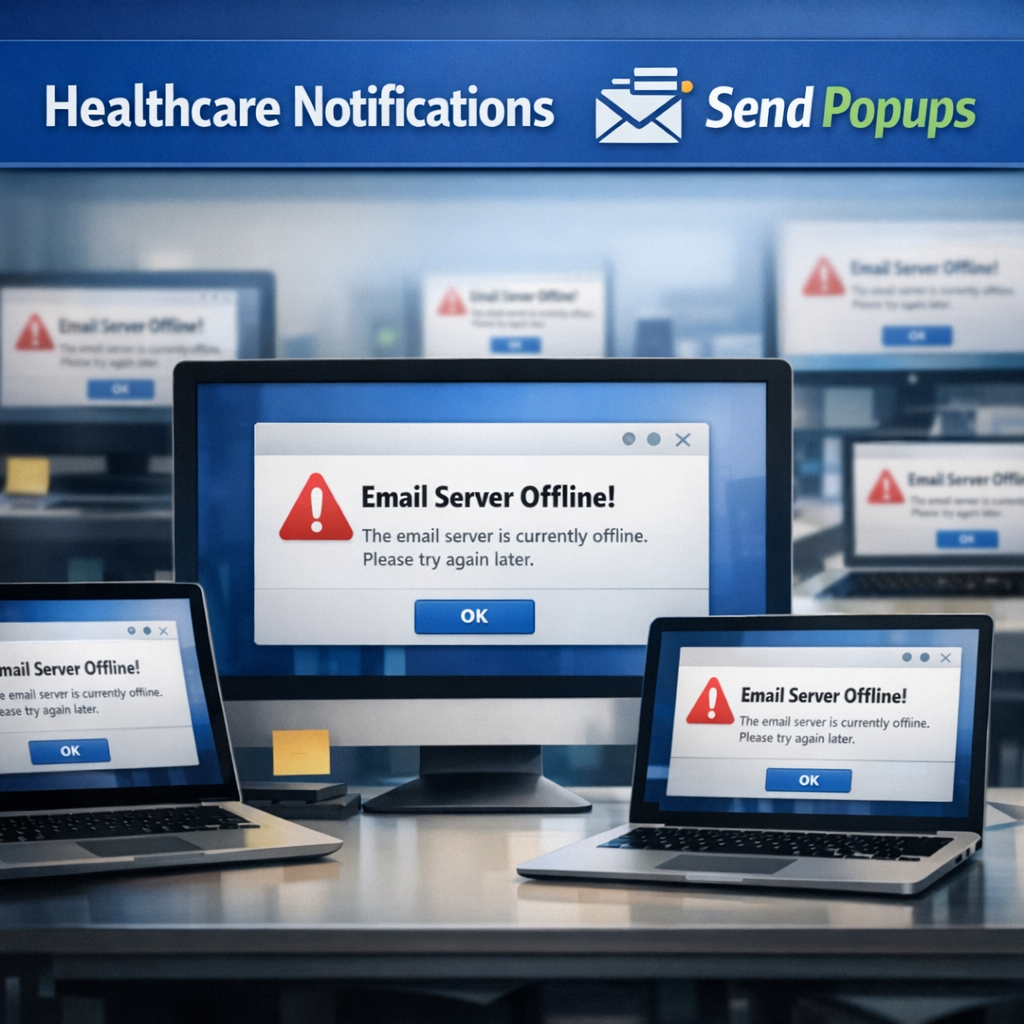
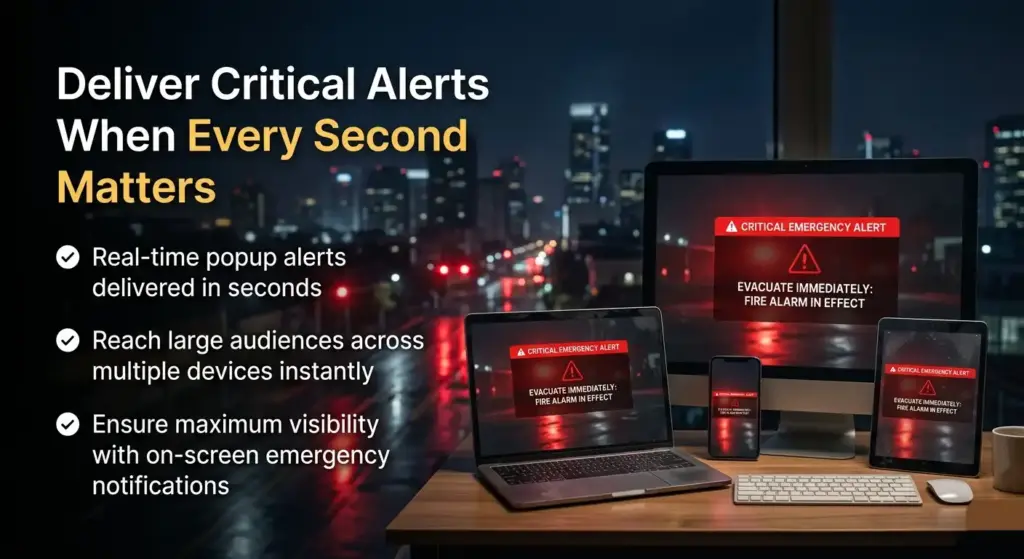
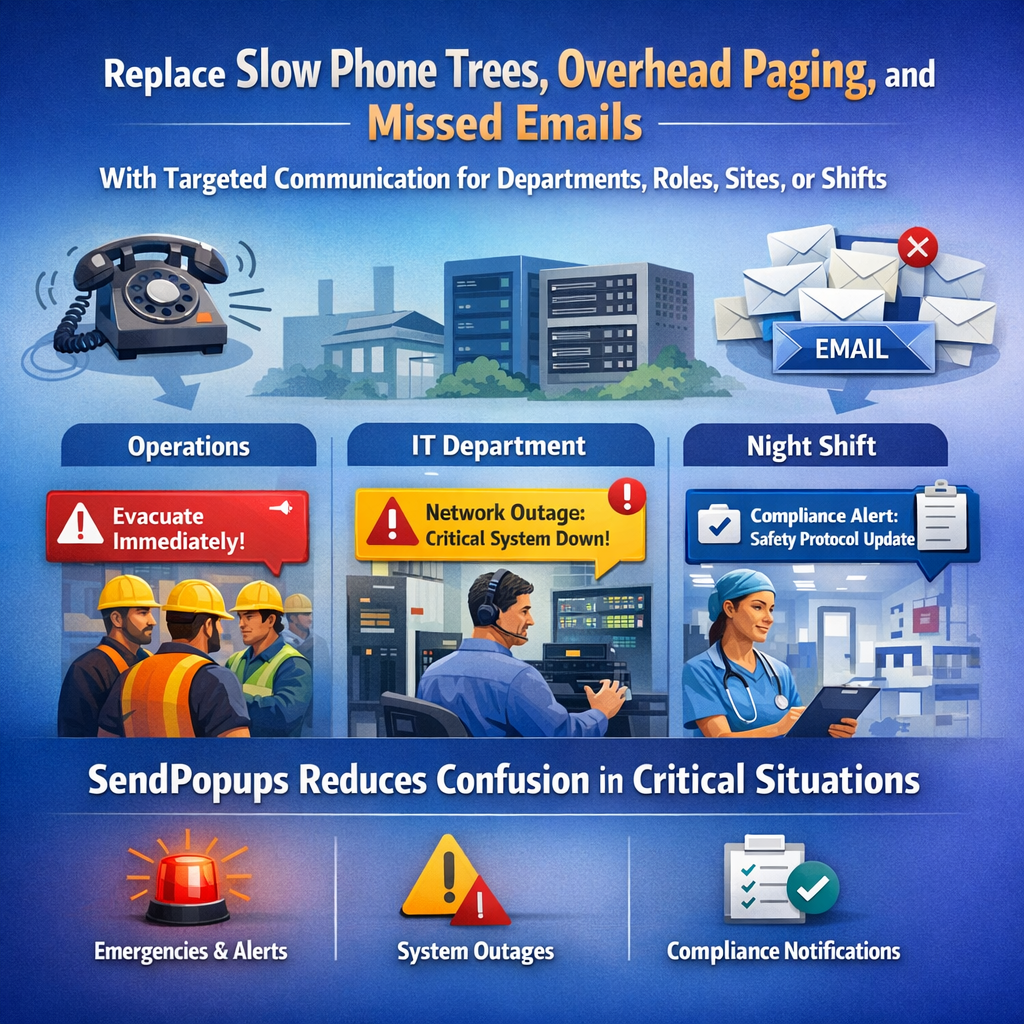
Fewer Delays: Instant notifications eliminate time-consuming phone chains and missed communications. Staff receive critical updates immediately, enabling faster response times for patient needs, emergency situations, and operational changes.
Stronger Coordination: Real-time alerts ensure all relevant team members receive simultaneous updates about patient status changes, scheduling modifications, or resource availability. This synchronized communication prevents miscommunication gaps that disrupt workflow continuity.
Better Policy Awareness: Targeted messaging delivers policy updates, compliance reminders, and procedural changes directly to specific roles or departments. Staff stay informed about regulations, safety protocols, and best practices without relying on outdated bulletin boards or lengthy meetings.
Improved Staff Accountability: Message delivery confirmations and read receipts create transparency in communication chains. Managers can verify that critical information reached intended recipients, while staff members understand their responsibilities clearly through documented directives.
More Consistent Patient Experience: When all care team members receive uniform updates about patient preferences, treatment plans, and service standards, patients experience seamless transitions between departments. Consistent information sharing eliminates conflicting instructions and ensures coordinated care delivery across all touchpoints.
Effective alerting systems transform reactive healthcare environments into proactive, well-coordinated operations where every team member contributes to optimal patient outcomes.